Read our latest blog: LinkLight™ Protein-Protein Interaction AssaysLearn More

Nuclear Receptor Assays

Nuclear Receptor Assay Services

Reporter and binding assays for nuclear receptor drug discovery

Characterize agonists, antagonists and selective modulators of nuclear receptors with cell-based luciferase reporter and biochemical binding assays, from hit identification through lead optimization.

Nuclear Receptors as Drug Targets

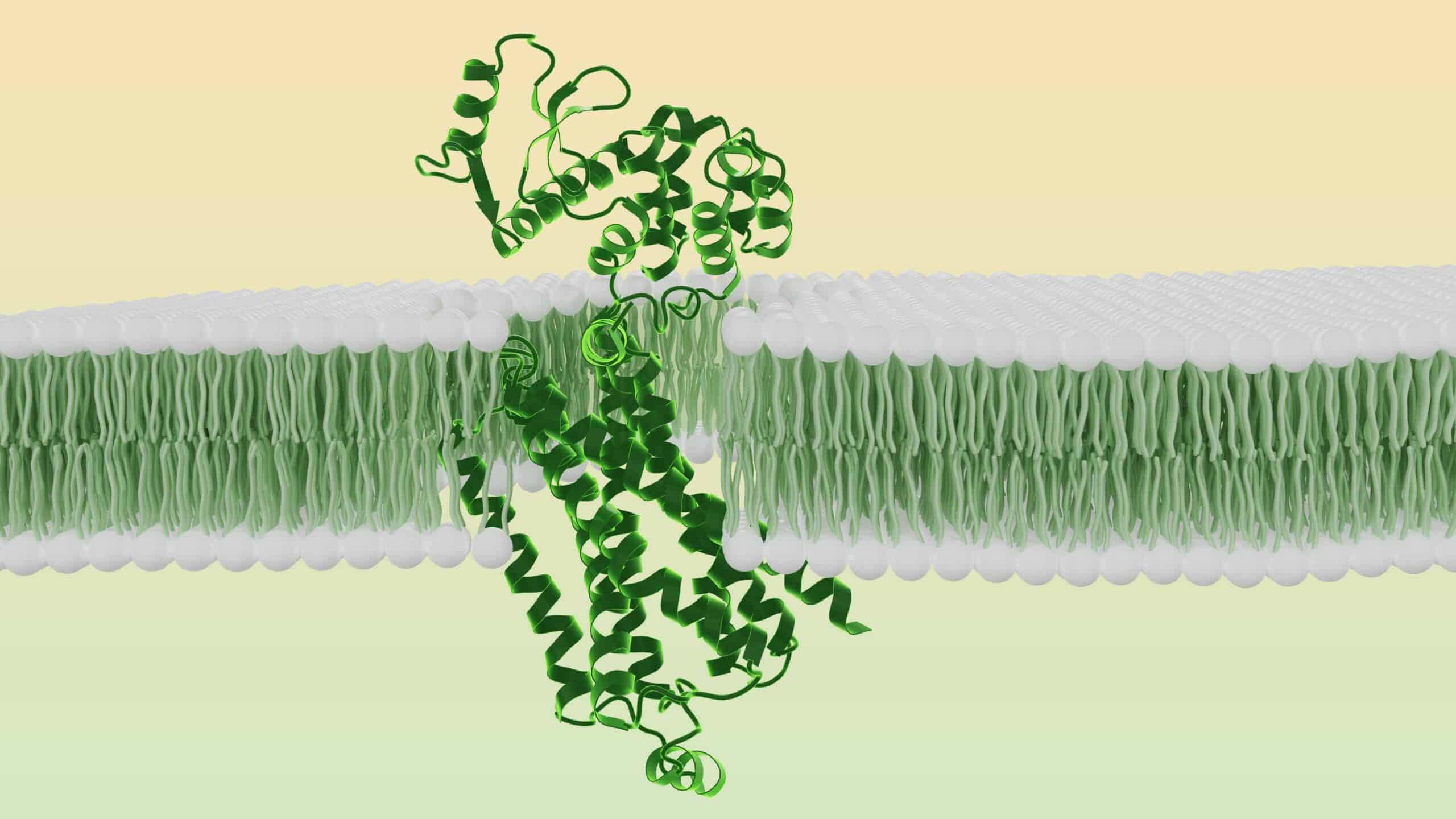
Nuclear receptors are transcription factors that are regulated by small hydrophobic ligands such as hormones or vitamins. Upon ligand binding, nuclear receptors translocate into the nucleus to bind DNA and modulate the expression of their target genes to regulate a variety of cellular mechanisms such as growth, proliferation, metabolism, or homeostasis on a transcriptional level. Nuclear receptors are successfully targeted in the clinic to treat, for example, cancer, cardiovascular or autoimmune diseases.

Reaction Biology offers a comprehensive suite of assays to support the discovery and characterization of novel modulators of nuclear receptors, providing the following advantages:

  • Cell-based assays allow compounds to be tested in the physiological and complex environment of intact cells, providing biologically relevant information on receptor function and downstream signaling.
  • Our luciferase reporter assay formats directly measure nuclear receptor-mediated gene transcription, enabling the evaluation of agonists, antagonists, selective modulators, and compounds that affect receptor translocation, dimerization, conformational changes, or cofactor recruitment.
  • Fluorescence polarization binding assays provide direct measurement of compound-receptor interactions, enabling determination of binding affinity (Ki, IC50), receptor occupancy, and selectivity. These assays can be used to identify and prioritize hit compounds, characterize lead candidates, and support structure-activity relationship (SAR) studies.
  • The combination of cell-based functional assays and fluorescence polarization binding studies provides a comprehensive assessment of both target engagement and functional activity, reducing development risk and accelerating compound optimization.
  • We offer both low-throughput and high-throughput screening formats to support projects from early discovery through lead optimization.


View Targets

Nuclear Receptor Assay Details

  • Assay Setup
  • Turnaround and Reporting
  • Facility and Compounds
Assay Setup

Setups

Single-concentration screening in duplicates or EC50/IC50 value determination with 10 concentrations. Other screening formats are available upon request.

Controls

DMSO vehicle control for every assay, target-specific control compound is tested in 10-concentration EC50/IC50 format.

Turnaround and Reporting

Turnaround time

10-15 business days for standard projects. Expedited scheduling and data delivery can be arranged prior to the commencement of the studies.

Report

The raw data, % activity and control compound EC50/IC50 values will be reported in Excel format for single-concentration assays. For EC50/IC50 orders, raw data, EC50/IC50 values, and curve fitting will be delivered in Excel format. Assay conditions, target, and additional information are available upon request. Requirements for this information should be noted prior to the commencement of the study.

Facility and Compounds

Screening facility

This assay is performed at our screening facility in Malvern, PA, US.

Compound requirements

In brief, for a standard project, 100 µl of a 10 mM DMSO stock or 2-3 mg of solid material is needed. Less material is needed for large-scale screening. Please refer to our FAQs for information regarding compound preparation and shipping.